by cameronreilly | Mar 2, 2017 | climate change, energy, energy debate
Kind of embarrassing, but until recently I had no idea how much of the world’s economy is based on coal from QLD. For example – Queensland exports half the world’s coking coal which is used to make steel. HALF! That means 50% of the world’s steel is manufactured with QLD coal. For the last year I’ve been working with a client who are coal mining consultants in QLD. They’ve been giving me an education. Mining – mostly coal, coal seam gas and bauxite with some oil shale and natural gas – makes up about 9% of the QLD economy. Meanwhile the cost of solar is dropping exponentially. I have to wonder what’s going to happen to the QLD economy over the next 20 years when coal becomes a dirty word and people are using solar-generated electricity to make steel instead.
by cameronreilly | Feb 28, 2017 | Christianity
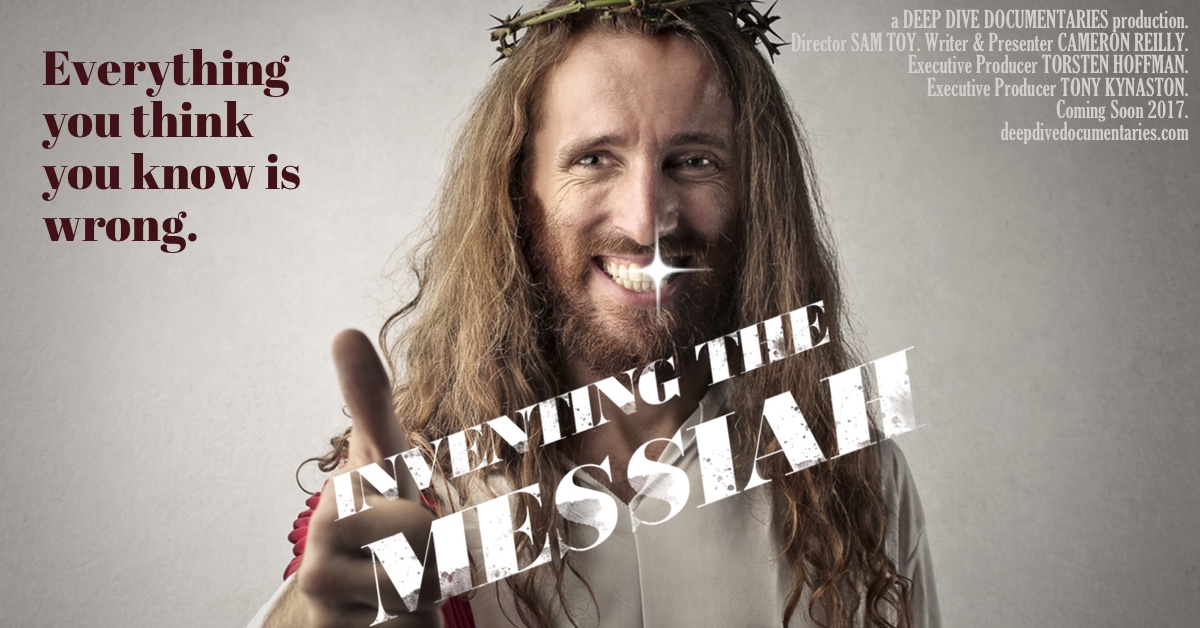
My latest project is a secular (non-religious) documentary about the history behind Jesus and early Christianity. We’re going to interview a range of biblical scholars and academics to learn what they believe to be the HISTORY behind the story – leaving aside theology or faith, what happened? How did a fringe, Jewish personality cult from the backwaters of Middle East, end up taking over the Roman Empire? It’s a terrific and fascinating story. Check out our teaser video on Kickstarter for more information and support it if you can!
by cameronreilly | Oct 6, 2016 | Podcasting
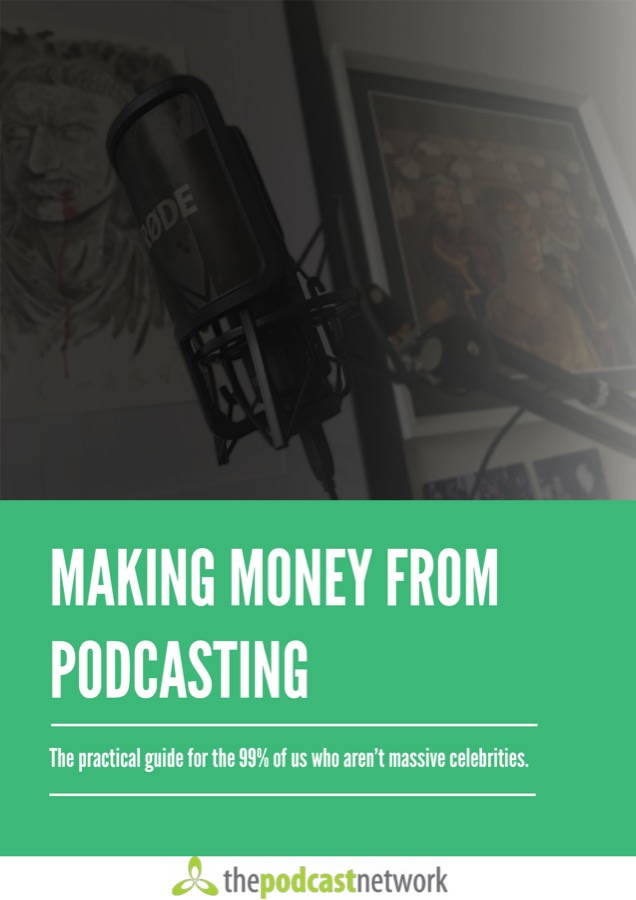
I just published a small book about my experience in podcasting and how my new business model works.
Over the last 12 years I’ve tried different ways to make an income from podcasting – from selling advertising to asking for donations – but over the last couple of years I’ve tried the premium subscription model and it’s worked far better than anything else. So much so, that our premium shows now bring in a six figure income (which I share with Ray, so I can’t retire to my yacht just yet). But pulling together the technical infrastructure to make the premium shows work wasn’t easy. It took my months of trial and error to work it out. So in this book, I share how (and why) I did it.
The hard truth is that 99.9% of podcasters aren’t going to make anything more than beer money out of advertising on their podcasts (until the advertising industry changes its mode). But I believe most podcasters *can* make a solid income from premium subscriptions *if* they get the model right.
Listen to the panel I was part of at OzPod2016 where I discuss advertising versus subscriptions.
Oh and our journey in podcasting was covered by Monty Munford on FORBES.
If anyone wants a review copy, shoot me an email.
by cameronreilly | Sep 7, 2016 | Marketing, Motherlode
I recently co-wrote the first blog post / newsletter for my client Enable Advisory. They are a boutique consulting firm made up of senior executives from the coal mining and resource sector who provide mine planning and mine project management services (among other things).
Here’s the opening of the blog post, which tries to distill some lessons from the Challenger explosion and apply them to mine planning.
When the Challenger space shuttle exploded off the coast of Florida on January 28, 1986, Wayne Hale was head of the Propulsion Systems Section, Systems Division, Mission Operations, NASA. If you think you’ve experienced systems failure in your job, imagine if the entire event was being televised live around the world to hundreds of millions of people. Hale went on to become NASA Flight Director and Space Shuttle Program Manager and has recorded ten enduring lessons from his experience on how to avoid another Challenger-type incident. One of those lessons is that “a preoccupation with failure results in high reliability organizations.” He believes that dissension during the decision making process has tremendous value and that no dissension means the issue hasn’t been examined enough. Appoint devil’s advocates, he advises, and don’t let people remain silent – draw them out.
You can read the whole thing here.
by cameronreilly | Jun 11, 2016 | Hazel, Mac, technology
I’ve been listening to a recent episode of Mac Power Users dedicated to Hazel. I fucking LOVE Hazel and it’s one of those tools that I love to tinker with (but try and limit how much time I sink into it). I’m always looking for new ways to use it and I guess it’s time I give back by sharing some more of my favourite rules.
DRIVE MANAGEMENT
This rule I created early in 2015 to archive files off of my Macbook Pro drive is still working great, albeit with a few minor tweaks. Macbook drives are pretty low on storage these days, and I deal in a lot of large audio files, so I need Hazel to keep a close eye on them and offload them onto USB drives about a month after I create them.
PHOTO BACKUP
Photos and videos take up a lot of room too, so I use Hazel to take all of them that are a month old and archive them to Dropbox. That way I can pull them up on my phone or Mac whenever I need them, but they are out of the way.
BOOKS INTO EVERNOTE
For all of my history podcasts, I like to have text versions of my source books in Evernote so I can cut and paste as needed. So when I download a new Kindle book from Amazon, Hazel notices the new file (in the Kindle folder), and opens it in Calibre, when then converts the epub into a text file. Hazel then grabs the new text file (from the Calibre directory) and opens it in Evernote.
STICKIES
I use Stickies a lot to store bits of data I often need quickly – eg URLs for podcast feeds that people ask me for, Textexpander shortcuts, Macbook keyboard shortcuts, etc. But from time to time I want to do a clean install of OSX on my Mac and the Stickies database usually isn’t something I remember to backup, because it’s buried in the app directory. So I have Hazel take a daily backup of it for me and throw it into Dropbox.
Email me or leave a comment if you have cool Hazel rules to share.